


Golf and Tenpin Bowling
Golf and ten-pin bowling (often simply called bowling) are competitive yet highly accessible sports that can be enjoyed by children and adults with intellectual impairments. Both sports can be played individually or as part of a team, allowing participants to progress at their own pace while still benefiting from social interaction and shared experiences.
These sports are among the most popular disciplines within the Special Olympics, largely because they are easy to adapt to different ability levels and place a strong emphasis on participation, confidence, and enjoyment. Regardless of age or sporting experience, golf and bowling provide meaningful opportunities for physical activity, coordination, concentration, and social inclusion in a supportive environment.
Both sports offer structured pathways in South Africa, with opportunities to participate at social, club, and provincial levels, as well as access to international competition through recognised disability sport organisations. Above all, golf and bowling encourage independence, personal development, and a sense of achievement — while remaining enjoyable, engaging, and fun.
What assistance are you looking for?
A. Golf
1. About Disability Golf
2. Classification
3. South African Disabled Golf Association (SADGA)
4. Special Olympics Pathway
5. Get Involved
B. Tenpin Bowling
1. About Tenpin Bowling
2. Tenpin Bowling Association of South Africa (TBASA)
3. Special Olympics World Games Pathway
4. Events and Rules
5. Get Involved
Golf
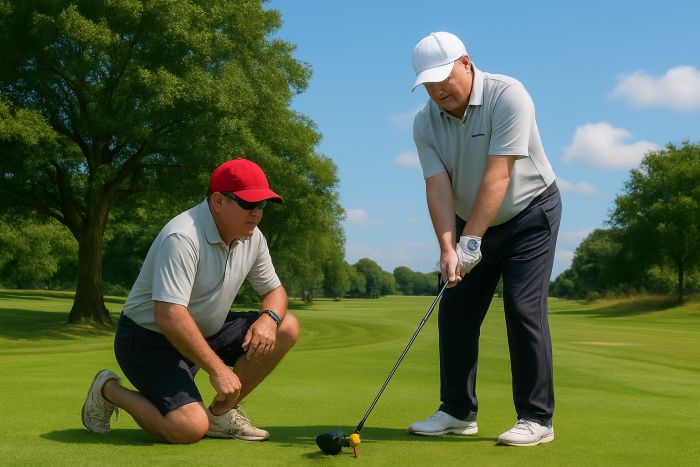
Golf is a precision sport that challenges players to use skill, focus, and strategy to complete a course using the fewest possible strokes. Players use different clubs to hit a ball into a series of holes across a golf course, typically consisting of 9 or 18 holes.
For persons with intellectual impairments, golf offers a structured, low-impact sporting environment that supports concentration, coordination, patience, confidence, and social interaction.
The pace and nature of the game make it accessible to players of varying abilities and ages.
Participation can be recreational, developmental, or competitive, depending on the pathway chosen.
2. Classification
Disability golf uses classification systems to ensure that players with different disabilities can compete fairly and meaningfully. These systems aim to level the playing field so that ability, rather than impairment, determines performance.
Golf for persons with disabilities in South Africa includes participation by individuals with:
– Intellectual impairments
– Visual impairments
– Hearing impairments
– Physical impairments and Amputations
– Paraplegia and other mobility impairments
Persons with intellectual impairments are fully included within disability golf structures in South Africa.
3. South African Disabled Golf Association (SADGA)
Disability golf in South Africa is governed by the South African Disabled Golf Association (SADGA).
SADGA supports people with permanent disabilities, including intellectual disabilities, to participate in golf at various levels. Beyond sport, SADGA emphasises personal growth, resilience, and confidence, using golf as a tool for rehabilitation, recreation, and social inclusion.
SADGA’s core objectives include:
– Encouraging South Africans with permanent disabilities to participate in golf
– Promoting golf as a form of rehabilitation and lifelong recreation
– Creating opportunities for disabled and able-bodied golfers to play together
– Raising public awareness of the challenges faced by disabled golfers
– Celebrating and showcasing the achievements of disabled golfers
SADGA operates as a registered non-profit organisation and works with golf clubs, coaches, and volunteers across the country.
4. Special Olympics Pathway
Golf is also offered through the Special Olympics, which provides year-round sports training and competitive opportunities for children and adults with intellectual disabilities in South Africa.
Within the Special Olympics framework, golf focuses on: Skill development; Enjoyment of the sport, Confidence-building and Social participation.
Athletes are supported to participate at levels suited to their ability, with opportunities to progress to regional, national, and international events.
Participation in Special Olympics golf gives athletes ongoing opportunities to:
– Improve physical coordination and motor skills
– Demonstrate courage and perseverance
– Experience enjoyment through sport
– Be part of a supportive sporting community
5. Get Involved
Contact The South Africa Disability Golf Association to get involved:
SADGA achieves its goals through three core programs, each designed to address a specific aspect of golf for people with disabilities and fulfil the organisation’s vision and objectives:
1. First Swing Program for Children – To introduce golf as a rehabilitative and developmental tool for children and young individuals with physical disabilities.
2. The Pathways Program – provides opportunities for golfers with disabilities who may not fit into existing programs like the FSP or AAGT
3. All Abilities Golf Tour – To create a professional competitive platform for golfers with disabilities, elevating South Africa’s status in inclusive golf.
Contact SADGA : Website: https://sadga.co.za/ | Email: info@sadga.co.za | Cell: 087 702 1023
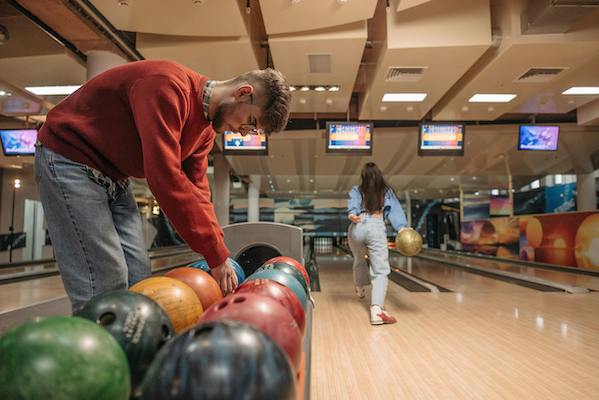
Ten-pin bowling, often simply called bowling, is a competitive and recreational sport in which a player rolls a bowling ball down a wooden or synthetic lane with the aim of knocking down as many pins as possible. Points are scored based on the number of pins knocked down across a series of frames.
Bowling is a highly accessible and inclusive sport for persons with intellectual impairments. Because the pace of the game can be adjusted and assistive supports (such as ramps or bumpers) may be used, bowling is suitable for participants with a wide range of abilities.It requires minimal specialised equipment, can be adapted to different ability levels, and is suitable for children, adults, beginners, and experienced players alike.
The structured yet social nature of the game makes it ideal for building confidence, coordination, and social interaction in a supportive environment.
Ten-pin bowling offers a range of benefits, including:
– Improved hand-eye coordination and motor skills
– Development of concentration, sequencing, and focus
– Physical activity in a controlled and predictable setting
– Social participation and teamwork
– Enjoyment and confidence-building through achievable goals
2. Tenpin Bowling Association of South Africa (TBASA)
The Tenpin Bowling Association of South Africa (TBASA) is the official governing body for ten-pin bowling in South Africa.
TBASA is responsible for:
– Establishing and enforcing national rules and regulations
– Ensuring alignment with international bowling standards
– Setting criteria for national competitions and tournaments
– Selecting South African teams for international events
– Promoting the development and growth of the sport nationally
While bowling is not an Olympic sport, it is governed internationally and nationally through structured bodies, and competitive opportunities exist at various levels.
TBASA places a strong focus on: Youth development and retention, inclusiveness and the growth and sustainability of bowling across South Africa
3. Special Olympics World Games Pathway
Ten-pin bowling is one of the most popular sports within the Special Olympics movement worldwide.
In South Africa, Special Olympics provides year-round training and competition opportunities in bowling for children and adults with intellectual disabilities, regardless of experience or ability level. Within the Special Olympics framework, bowling:
– Emphasises participation, inclusion, and enjoyment
– Supports physical fitness and skill development
– Encourages social integration and teamwork
– Allows athletes to compete at levels suited to their ability
Athletes can participate in local, provincial, national, and international events, depending on progression and interest.
4. Events and Rules
Ten-pin bowling events for persons with intellectual impairments are governed by:
– TBASA rules and regulations, where applicable
– Special Olympics Bowling Rules for Special Olympics competitions
Events may include:
– Individual bowling competitions
– Skills-based events
– Modified formats for developmental athletes
Rules and event structures may be adapted to ensure fair and meaningful participation and can change over time.
For the most current information on Special Olympics Bowling events and rules, participants are encouraged to consult official Special Olympics resources.
Want to learn to bowl? This online coaching guide covers skills, rules, and includes a quick start guide. Click here to download the Bowling Coaching Guide
To learn more about the sport, available events, and Special Olympics participation, Click Here: Bowling Fact Sheet
5. Get Involved
To get involved: Contact the Ten Pin Bowling Association of South Africa to get involved: Website: https://www.tenpinbowling.co.za/ | Email: info@tenpinbowling.co.za
Or an affiliated Club for more information:
– Central Gauteng Tenpin Bowling Association – Northcliff Bowl, Northcliff, Johannesburg
– Eastern Gauteng Tenpin Bowling Association – Koko’s Bowl, Dalpark, Brakpan.
– Gauteng North Tenpin Bowling Association – The Fun Company, Menlyn Mall, Pretoria
– Kwazulu Natal Tenpin Bowling Association – Dolphin Bowl, Amanzimtoti, KZN
– Western Province Tenpin Bowling Association – Grand West Bowling, Cape Town
Alternatively, Contact Us directly if you have any questions about the Clubs, Organizations, Products and Services listed on this page and we will point you in the right direction.