


Universal Access & Universal Design
Welcome to our Universal Access page, where we link you to qualified Universal Access Consultants in South Africa who specialise in Accessible design and providing Universal Access Audits (Access Audits). We also provide the various Access Services that DiSA provides and explain what Universal Access is versus Universal Design and the importance of incorporating Inclusive Design and using Universal design principals to create environments, services, and systems that are accessible and usable by all people, regardless of age, disability, or ability.
Universal Access refers to the principle that everyone should be able to access, use, and benefit from environments, services, products, and information, regardless of their age, disability, or circumstances.
It is based on the idea of inclusivity and equal opportunities, ensuring that no one is excluded due to physical, sensory, cognitive, or social barriers. In practice, Universal Access includes:
What Are You Looking For?
What is Universal Access?
Universal Design Versus Universal Access
1. What is a Universal Access Consultant?
2. Find a Universal Access Consultancy Service that we provide
3. Universal Access Consultant Versus Lived Experience
4. Legislation and Access
5. Looking for a Policy That Can Assist You?
6. How Can We Help You?
1. Buildings & spaces: Ramps, wide doors, lifts, tactile paving, accessible toilets.
2. Transport: Wheelchair-friendly buses/trains, audio-visual announcements.
3. Information & communication: Braille, sign language, captions, plain language.
4. Technology: Accessible websites, screen readers, voice recognition, adaptive devices.
Inclusivity Starts With Universal Access!
The goal of Universal Access is to create a world that is usable and welcoming for all people, without the need for adaptation or specialized design.
Universal Design Versus Universal Access
A. Universal Design
A design philosophy or approach.
It focuses on designing products, environments, and systems from the start so they are usable by the widest range of people possible.
Example: A building with automatic sliding doors – everyone, regardless of their needs, can use the same entrance. (people with wheelchairs, parents with strollers, delivery staff, etc.)
(inclusive design principles).
B. Universal Access
The outcome or goal of applying universal design (and other inclusive practices).
It means everyone can actually access and benefit from spaces, services, information, and opportunities.
Example: If a school provides universal access, it includes accessible ramps, lifts, signage and inclusive teaching methods.
(equal opportunity for all).
1. What is a Universal Access Consultant?
A Universal Access Consultant is a professional who specializes in assessing, advising, and guiding the inclusive design of environments, services, and systems to ensure they are accessible and inclusive for everyone, including persons with disabilities. Their role goes beyond minimum compliance — they promote universal design principles that make spaces safer, easier, and more convenient for all users, regardless of ability, age, or circumstance.
In South Africa, a Universal Access Consultant helps organisations, architects, municipalities, and businesses meet national accessibility standards such as the SANS 10400 Part S Building Regulations and align with human rights laws like the Promotion of Equality and Prevention of Unfair Discrimination Act (PEPUDA). Their work may include conducting access audits, developing accessibility implementation plans, and offering guidance on inclusive infrastructure, communication, and customer service practices.
By doing so, they help create environments that support dignity, independence, and equal participation for all members of society.
2. Universal Access Consultants Versus Lived Experience
Both Universal Access Consultant and Lived Experience play important but different roles in accessibility:
Universal Access Consultant
1. Professional expertise – Trained in accessibility standards, building regulations, inclusive design, and best practices.
2. Technical knowledge – Can assess environments, write compliance reports, and provide formal recommendations for construction, renovations, or service design.
3. Broad application – Looks at all types of disabilities (mobility, sensory, cognitive, etc.) and considers universal design for everyone.
4. Objective approach – Provides solutions based on codes, guidelines, and industry practices.
Person with Lived Experience
1. First-hand insight – Brings the perspective of actually navigating daily life with a disability.
2. Practical feedback – Can point out barriers that might be overlooked in technical standards (e.g., how a doorway feels to use, or how confusing signage is in real life).
3. User-centered perspective – Focuses on what really works for independence, dignity, and comfort.
4. Personal advocacy – Their experience highlights the human impact of accessibility (or lack of it).
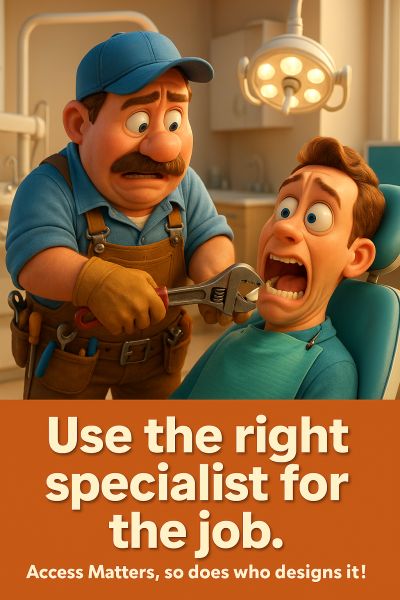
Best practice: Use both together
1. The consultant ensures compliance, technical accuracy, and design feasibility.
2. The person with lived experience ensures the design is practical, respectful, and truly inclusive.
By doing so, they help create environments that support dignity, independence, and equal participation for all members of society.
3. Find a Universal Access Consultancy Service That We Provide!
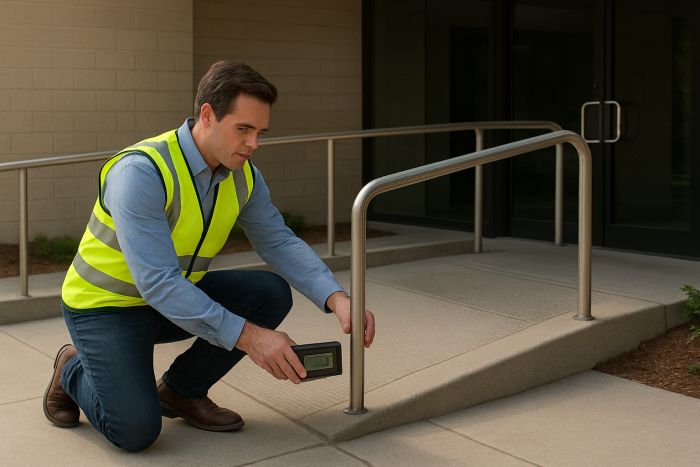
DiSA is a driving force for inclusive design and transformation, offering expert guidance with regards to access audits, reviews, design, and to improve the usability of environments, transport, technology, education, services, operations, and products. Our goal is to support functionality for all users by accommodating the full spectrum of human diversity.
We provide comprehensive accessibility and inclusive design services from concept and construction through to maintenance and training. Our services promote full compliance and usability, and include Disability Awareness, Sensitisation, and DEI training to empower staff and clients to create welcoming, inclusive spaces for everyone.
What are Architectural Plan Reviews
Access consultants review building designs to identify and eliminate barriers, ensuring spaces are inclusive, innovative, and compliant with the latest accessibility standards. They provide practical, actionable and cost-effective advice that seamlessly integrates accessibility into every stage of the architectural process.
What You Get?
Compliance with South African National Building Regulations in terms of e.g., SANS 10400 Part S, SANS 21542 (2011), and other relevant national standards and international best practices through:
* Early identification of access barriers before they become costly
* Practical, design-conscious solutions that support your creative intent
* Inclusive design strategies that go beyond minimum compliance
* Clear, annotated feedback and technical input to fast-track approvals
* We understand design deadlines, creative integrity, and the importance of getting access right, not just in theory, but in the built outcome. We’re here to support your vision, not critique it.
Why it matters?
Architecture is the foundation for change and in partnership with DiSA, we transform that vision into blueprints for inclusive, actionable design to create spaces that welcome everyone, without compromise.
Contact Our Universal Access Consultant to find out more about our Architectural Plan Reviews
What it is?
A walk-and-talk audit is a streamlined, on-site accessibility review carried out in collaboration with the client. It’s ideal for smaller venues or quick assessments, such as before hosting an event or evaluating a new space for general accessibility.
What you get?
During the walkthrough, the auditor highlights key strengths and barriers related to:
* Parking, Ease of access and circulation
* Entryways, pathways, and level changes
* Signage and wayfinding systems
* Safety features, emergency routes, and escape options
* Lighting, surfaces, and usability of fixtures
* Provisions for people with physical, sensory, or cognitive disabilities
* The session is interactive and informative, providing immediate insights. * A short follow-up report summarises key findings and practical suggestions.
Why it matters?
It helps clients take early, informed steps toward a more inclusive environment, without the scope or detail of a full access audit.
Contact Our Universal Access Consultant to find out more
What are Universal Access Audits ?
A Universal Access Audit is a thorough evaluation that begins with a scope meeting to understand the specific needs, context, and goals of a building or space. This ensures the access audit is customized to your requirements. Then, a comprehensive on-site assessment reviews the environment against local regulations, international accessibility standards, and universal design principles to identify barriers and opportunities for improvement.
What you get through Access Audits?
Following a scope meeting, a thorough on-site assessment reviews your space against local regulations, accessibility standards, and universal design and inclusive design principles, covering physical access, user experience, operations, and emergency egress.
You receive a detailed, prioritized report with key findings, compliance gaps, practical recommendations, technical drawings, and a phased Universal Design Action Plan (UDAP).
DiSA offers a turnkey service—including approved plans, cost estimates, contractor management, and on-site supervision to ensure upgrades meet standards, are on time, and fully compliant.
Why Universal Access Audits matter?
This end-to-end service ensures that all upgrades or installations are completed to standard, on time, and in full alignment with accessibility regulations and universal design principles.
By identifying and addressing barriers early, organisations reduce legal risk, improve usability for everyone, and demonstrate leadership in accessibility and inclusion.
Contact Our Universal Access Consultant to find out more about our Universal Access Audits
What we do…
We provide expert plan reviews and inclusive design consulting at every stage of your project, because inclusive accessibility compliance is essential for both immediate usability and long-term sustainability. Adaptable spaces form the foundation of resilient environments, supporting evolving needs and lifelong inclusion.
* Concept development input
* Inclusive access plan audits
* Universal Access Compliance from pre- to post construction and maintenance
Why Inclusive design matters…
Inclusive design means:
* Compliant, user-friendly spaces
* Smarter, safer environments
* Enhanced value for all users
* Alignment with local standards and regulations & global best practice
How & When…
We support your team through:
* Early design reviews
* Detailed drawing feedback
* Site coordination & rational designs
Contact Our Universal Access Consultant to find out more
What it is an Acquisition Audit?
An acquisition audit is a strategic pre-purchase or pre-lease accessibility assessment designed for property managers, real estate professionals, and facility decision-makers. Conducted before finalising a deal, this audit identifies any physical barriers or compliance gaps that may impact usability, safety, or future regulatory requirements.
What you get?
DISA’s acquisition audit provides:
A professional on-site assessment of the property
A clear summary of accessibility strengths and risks
Practical recommendations for necessary adjustments
Insight to support informed negotiations with landlords, sellers, or developers.
Why it matters?
Engaging DiSA early helps avoid costly surprises, meet inclusion standards, and future-proof your investment, positioning your property as accessible, market-ready, and socially responsible from day one.
Contact Our Universal Access Consultant to find out more about our Acquisition Audits
What is a Universal Design Action Plan?
A Universal Design Action Plan is the next essential step following an access audit. It transforms audit findings into a clear, strategic roadmap for creating an inclusive, compliant, and future-ready built, outdoor and digital environments, including products and services. A strategic, organisation-wide plan to make physical spaces, services, and policies accessible and usable by everyone, regardless of age, ability, or background.
What you get?
Clients can expect a plan that:
Inclusive, Future-Ready Facilities & Services- Designs spaces and services to accommodate the full diversity of staff, clients, and visitors across abilities, ages, and backgrounds, ensuring usability today and adaptability for future needs.
Operational Advantages- Streamlines compliance with accessibility laws and standards, enhances employee and client satisfaction through inclusive experiences, and reduces costs by minimising expensive retrofits or specialised accommodations.
Reputation & Leadership- Positions the company as a forward-thinking, inclusive leader that champions diversity, equity, and accessibility, strengthening brand reputation and stakeholder trust, whilst capitalising on inclusive investments.
Why it matters?
This plan empowers organisations to move from assessment to implementation with confidence, ensuring accessibility becomes an embedded, ongoing part of operations, not just a once-off task.
Contact Our Universal Access Consultant to find out more about our Universal Design Action Plans
Book a Consultancy with our Universal Access Consultant
4. Legislation and Access
In South Africa, legislation governing access to the built environment for people with disabilities is guided by the Constitution and supported by laws such as the Promotion of Equality and Prevention of Unfair Discrimination Act (2000) and the National Building Regulations and Building Standards Act.
Access to the built environment focuses on creating inclusive and barrier-free spaces that allow people with disabilities to move, work, and live independently. These laws require that all public buildings, facilities, and infrastructure designed or built after 2011 accommodate people with disabilities.
Understanding this and other legislation and policies listed below, is essential to ensure compliance, promote rights, and contribute to an inclusive and just society.

5. Looking for a Policy That Can Assist You?
Visit the categories listed below to find a policy that can assist you, or your company.
How can we help you?
At Disability Info South Africa (DiSA), we are committed to breaking down barriers and creating a more inclusive society.
Guidance & Support
We provide information on eligibility, application processes, and legal rights regarding assistance dogs.
Access Audits
Ensuring businesses and public spaces follow inclusive design principals and are compliant with accessibility standards.
Disability Awareness Training
Educating organizations and individuals on the importance and rights of assistance dog users.

Advocacy & Resources
Connecting individuals with the right support networks, to help them on their journey.
Employment Changes Lives –
Let’s Make South Africa More Inclusive
If you are seeking employment or are a business wanting to improve inclusivity and accessibility, get in touch with us today!
Together, we can create a world where independence has no limits!
Disclaimers and References
Simplified Summary
This Universal Access page explains what Universal Access is and how DiSA promotes inclusive design and removing physical, digital, and attitudinal barriers so everyone can access services, spaces, and information equally.