


Physical And Mobility Impairments
Welcome to the Physical and Mobility Impairments page which assists persons with Physical and Mobility Impairments and/or disabilities.
Physical Impairments refer to injuries, conditions, or diseases that impair a person’s mobility or physical appearance, possibly affecting their ability to participate equally in society.
As a quick guide for navigation, please use the list to the right.
If you do not find what you are looking for there, please scroll down for a comprehensive guide of information to assist both persons with disability and persons seeking to employ those with disabilities.
The physical impairments section unpacks:
– the types of disabilities or impairments that can effect ones mobility, and/or affect ones physical appearance in such a way that disadvantages them in society
– Sports and/or Hobbies that are available in South Africa for persons with disabilities, through various clubs and organisations,
– Service Providers, Organisations, Companies, Products, Educational and Health Care facilities and professionals that are available to assist persons with disabilities,
– Services available to companies seeking to accommodate persons with disabilities.
What Are You Looking For?
For persons with a disability, looking for assistance:
1. Accessible Housing
2. Assisted Living, Residential Facilities and Self-Help Centres
3. Assistive Devices and Equipment for sale and to rent?
4. Government and Disability Grants
5. Disability Tax and Rebates
6. Education for All
7. Healthcare and Rehabilitation
8. Looking for a Job | Learnerships | Entrepreneurship
9. Organisations that can help
10. Accessible Features and Parking Disks
11. Travel, Transport and Accommodation
12. Assistance and Service Dogs
13. Sports and Hobbies
14. Vehicles, Driving and Equipment
15. Types of Physical Impairments
16. Universal Access
If what you are looking for is NOT in the above shortlist, you will find it in the information featured below. Please keep reading.














2. Select Your Category of Interest
Below are categories of specialised services and resources available to assist persons with Physical and Mobility Impairments, including Service Providers, Organisations, Clubs and Companies, that provide Products, Services, Information, Sport, Educational and Health Care facilities and professionals.
Please select your area of interest from the icons listed below:



Blogs and Related Reading
While a physical impairment changes how you navigate the world, it also opens up new ways of engaging with it—through the right equipment, environment, and mindset. This blog section explores the realities of daily life in a wheelchair. It focuses on practical solutions, lived experience, and the tools that make a meaningful difference, with the goal of helping individuals maintain autonomy, comfort, and confidence in their day-to-day lives.
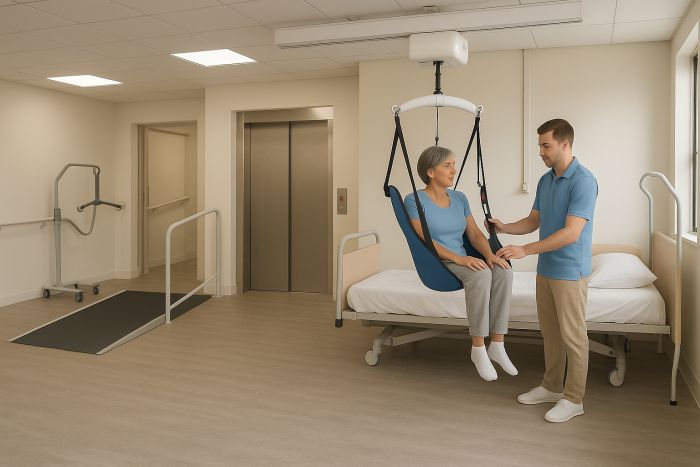
A Practical Guide to Choosing a Hoist
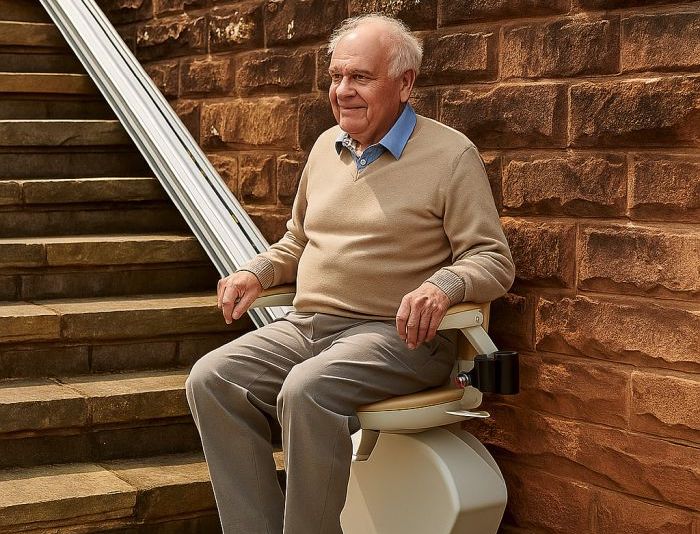
Choosing the right hoist is not just about lifting, it’s about safety, independence, space, and long-term value.Stair Access Solutions
Navigating stairs can be one of the biggest daily challenges for people with mobility impairments – these are your options.


3. Physical Impairments Category Guide

Disclaimers and References
Simplified Summary
The Physical Impairments landing page on the DiSA Information Desk provides information on different mobility products, supports, and services available to help people with physical disabilities live more independently.