


Strokes
A stroke occurs when the blood supply to part of the brain is interrupted or reduced, preventing brain tissue from getting the oxygen and nutrients it needs.
Within minutes, brain cells begin to die, making stroke a medical emergency that requires immediate attention.
Strokes can be caused either by a blocked artery (ischemic stroke) or the bursting of a blood vessel (hemorrhagic stroke), and in some cases, a temporary disruption of blood flow leads to what’s known as a transient ischemic attack (TIA), or mini-stroke.
Strokes are a leading cause of death and long-term disability worldwide, but with rapid treatment and rehabilitation, many people can recover and regain independence.
What Are You Looking For?
Types of Strokes
Signs and Symptoms
Causes
Pathophysiology
Diagnosis
Prevention
Risk Factors
Surgery
Management
Rehabilitation
Prognosis
A stroke results from insufficient supply of oxygen to the brain and leads to sudden loss of consciousness. It should be treated immediately or it may prove fatal. If you identify the symptoms of a stroke early enough it may be prevented or treated before too much damage is done.
Stroke, also known as cerebrovascular accident (CVA), cerebrovascular insult (CVI), or brain attack, is when poor blood flow to the brain results in cell death.
There are two main types of stroke: ischemic, due to lack of blood flow, and hemorrhagic, due to bleeding. They result in part of the brain not functioning properly.
Signs and symptoms of a stroke may include an inability to move or feel on one side of the body, problems understanding or speaking, feeling like the world is spinning, or loss of vision to one side among others. Signs and symptoms often appear soon after the stroke has occurred. If symptoms last less than one or two hours it is known as a transient ischemic attack (TIA). Hemorrhagic strokes may also be associated with a severe headache.
The symptoms of a stroke can be permanent. Long term complications may include pneumonia or loss of bladder control
In 2013, stroke was the second most frequent cause of death after coronary artery disease, accounting for 6.4 million deaths (12% of the total). About half of people who have had a stroke live less than one year. Overall, two thirds of strokes occurred in those over 65 years old.
Given the disease burden of strokes, prevention is an important public health concern.
Primary prevention is less effective than secondary prevention (as judged by the number needed to treat to prevent one stroke per year).
Recent guidelines detail the evidence for primary prevention in stroke. In those who are otherwise healthy, aspirin does not appear beneficial and thus is not recommended. In people who have had a myocardial infarction or those with a high cardiovascular risk, it provides some protection against a first stroke.
In those who have previously had a stroke, treatment with medications such as aspirin, clopidogrel and dipyridamole may be beneficial.
Stroke symptoms typically start suddenly, over seconds to minutes, and in most cases do not progress further.
The symptoms depend on the area of the brain affected. The more extensive the area of brain affected, the more functions that are likely to be lost.
Some forms of stroke can cause additional symptoms. For example, in intracranial hemorrhage, the affected area may compress other structures. Most forms of stroke are not associated with headache, apart from subarachnoid hemorrhage and cerebral venous thrombosis and occasionally intracerebral hemorrhage.
i. Thrombotic Stroke
In thrombotic stroke a thrombus (blood clot) usually forms around atherosclerotic plaques. Since blockage of the artery is gradual, onset of symptomatic thrombotic strokes is slower than that of a hemorrhagic stroke. A thrombus itself (even if it does not completely block the blood vessel) can lead to an embolic stroke (see below) if the thrombus breaks off and travels in the bloodstream, at which point it is called an embolus. Two types of thrombosis can cause stroke:
ii. Embolic Stroke
An embolic stroke refers to an arterial embolism (a blockage of an artery) by an embolus, a traveling particle or debris in the arterial bloodstream originating from elsewhere. An embolus is most frequently a thrombus, but it can also be a number of other substances including fat (e.g., from bone marrow in a broken bone), air, cancer cells or clumps of bacteria (usually from infectious endocarditis).
Because an embolus arises from elsewhere, local therapy solves the problem only temporarily. Thus, the source of the embolus must be identified. Because the embolic blockage is sudden in onset, symptoms usually are maximal at start. Also, symptoms may be transient as the embolus is partially resorbed and moves to a different location or dissipates altogether.
Emboli most commonly arise from the heart (especially in atrial fibrillation) but may originate from elsewhere in the arterial tree. In paradoxical embolism, a deep vein thrombosis embolizes through an atrial or ventricular septal defect in the heart into the brain.
Causes of stroke related to the heart can be distinguished between high and low-risk:
Other Types of Strokes
i. Ischemic
Ischemic stroke occurs because of a loss of blood supply to part of the brain, initiating the ischemic cascade. Brain tissue ceases to function if deprived of oxygen for more than 60 to 90 seconds, and after approximately three hours will suffer irreversible injury possibly leading to death of the tissue, i.e., infarction. (This is why fibrinolytics such as alteplase are given only until three hours since the onset of the stroke.)
Atherosclerosis may disrupt the blood supply by narrowing the lumen of blood vessels leading to a reduction of blood flow, by causing the formation of blood clots within the vessel, or by releasing showers of small emboli through the disintegration of atherosclerotic plaques. Embolic infarction occurs when emboli formed elsewhere in the circulatory system, typically in the heart as a consequence of atrial fibrillation, or in the carotid arteries, break off, enter the cerebral circulation, then lodge in and block brain blood vessels.
Since blood vessels in the brain are now blocked, the brain becomes low in energy, and thus it resorts into using anaerobic metabolism within the region of brain tissue affected by ischemia. Anaerobic metabolism produces less adenosine triphosphate (ATP) but releases a by-product called lactic acid. Lactic acid is an irritant which could potentially destroy cells since it is an acid and disrupts the normal acid-base balance in the brain. The ischemia area is referred to as the “ischemic penumbra”.
ii. Hemorrhagic
Bleeding within the skull cavity can occur from various causes. Subdural and epidural bleeding mostly are the result of trauma. Hemorrhagic strokes arise from bleeding within the brain parenchyma or intraventricular spaces, and are classified based on their underlying pathology.
Some examples of hemorrhagic stroke are hypertensive hemorrhage, ruptured aneurysm, ruptured AV fistula, transformation of prior ischemic infarction, and drug induced bleeding.
They result in tissue injury by causing compression of tissue from an expanding hematoma or hematomas. This can distort and injure tissue.
In addition, the pressure may lead to a loss of blood supply to affected tissue with resulting infarction, and the blood released by brain hemorrhage appears to have direct toxic effects on brain tissue and vasculature. Inflammation contributes to the secondary brain injury after hemorrhage.
A CT scan or MRI scan along with a physical exam are used to diagnose Strokes.
Other tests such as an electrocardiogram (ECG) and blood tests are done to determine risk factors and rule out other possible causes such as low blood sugar, which may cause similar symptoms.
The diagnosis of stroke itself is clinical, with assistance from the imaging techniques. Imaging techniques also assist in determining the subtypes and cause of stroke.
There is yet no commonly used blood test for the stroke diagnosis itself, though blood tests may be of help in finding out the likely cause of stroke.
The most important modifiable risk factors for stroke are high blood pressure and a trial fibrillation (although magnitude of this effect is small: the evidence from the Medical Research Council trials is that 833 patients have to be treated for 1 year to prevent one stroke).
Other modifiable risk factors include:
- high blood cholesterol levels
- diabetes mellitus
- cigarette smoking (active and passive)
- heavy alcohol consumption and drug use
- lack of physical activity
- obesity
- processed red meat consumption and unhealthy diet.
- Drugs, most commonly amphetamines and cocaine, can induce stroke through damage to the blood vessels in the brain and/or acute hypertension.
- Alcohol use could predispose to Ischemic stroke, and intra-cerebral and subarachnoid haemorrhage via multiple mechanisms (for example via hypertension, atrial fibrillation, rebound thrombocytosis and platelet aggregation and clotting disturbances)
No high-quality studies have shown the effectiveness of interventions aimed at weight reduction, promotion of regular exercise, reducing alcohol consumption or smoking cessation. Nonetheless, given the large body of circumstantial evidence, best medical management for stroke includes advice on diet, exercise, smoking and alcohol use. Medication or drug therapy is the most common method of stroke prevention; carotid endarterectomy can be a useful surgical method of preventing stroke.
Carotid endarterectomy or carotid angioplasty can be used to remove atherosclerotic narrowing (stenosis) of the carotid artery. There is evidence supporting this procedure in selected cases. Endarterectomy for a significant stenosis has been shown to be useful in the prevention of further strokes in those who have already had one. Carotid artery stenting has not been shown to be equally useful. Patients are selected for surgery based on age, gender, degree of stenosis, time since symptoms and patients’ preferences.
Surgery is most efficient when not delayed too long, the risk of recurrent stroke in a patient who has a 50% or greater stenosis is up to 20% after 5 years, but endarterectomy reduces this risk to around 5%. The number of procedures needed to cure one patient was 5 for early surgery (within two weeks after the initial stroke), but 125 if delayed longer than 12 weeks.
Keeping blood pressure below 140/90 mmHg is recommended. Anticoagulation can prevent recurrent ischemic strokes.
Among people with nonvalvular atrial fibrillation, anticoagulation can reduce stroke by 60% while antiplatelet agents can reduce stroke by 20%. However, a recent meta-analysis suggests harm from anti-coagulation started early after an embolic stroke.
Stroke prevention treatment for atrial fibrillation is determined according to the CHADS/CHADS2 system.
The most widely used anticoagulant to prevent thromboembolic stroke in patients with nonvalvular atrial fibrillation is the oral agent warfarin while a number of newer agents including dabigatran are alternatives which do not require prothrombin time monitoring.
Anticoagulants, when used following stroke, should not be stopped for dental procedures.
If studies show carotid stenosis, and the person has residual function in the affected side, carotid endarterectomy (surgical removal of the stenosis) may decrease the risk of recurrence if performed rapidly after stroke.
Ideally, people who have had a stroke are admitted to a “stroke unit”, a ward or dedicated area in hospital staffed by nurses and therapists with experience in stroke treatment. It has been shown that people admitted to a stroke unit have a higher chance of surviving than those admitted elsewhere in hospital, even if they are being cared for by doctors without experience in stroke.
When an acute stroke is suspected by history and physical examination, the goal of early assessment is to determine the cause. Treatment varies according to the underlying cause of the stroke, thromboembolic (ischemic) or hemorrhagic.
Stroke rehabilitation is the process by which those with disabling strokes undergo treatment to help them return to normal life as much as possible by regaining and relearning the skills of everyday living. It also aims to help the survivor understand and adapt to difficulties, prevent secondary complications and educate family members to play a supporting role.
A rehabilitation team is usually multidisciplinary as it involves staff with different skills working together to help the patient.
These include: physicians trained in rehabilitation medicine; clinical pharmacists; nursing staff; physiotherapists; occupational therapists; speech and language therapists and orthotists.
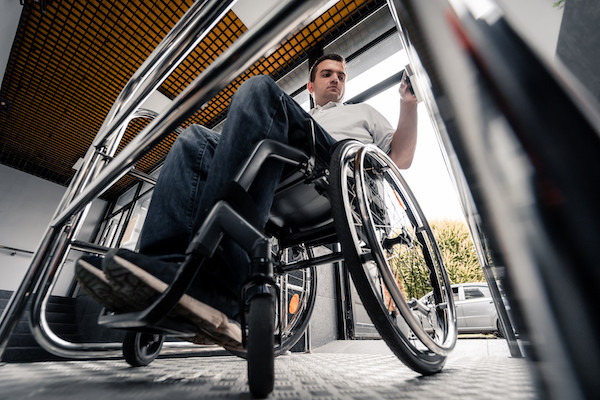
Disability affects 75% of stroke survivors enough to decrease their employability. Stroke can affect people physically, mentally, emotionally, or a combination of the three. The results of stroke vary widely depending on size and location of the lesion. Dysfunctions correspond to areas in the brain that have been damaged.
Some of the physical disabilities that can result from stroke include muscle weakness, numbness, pressure sores, pneumonia, incontinence, apraxia (inability to perform learned movements), difficulties carrying out daily activities, appetite loss, speech loss, vision loss and pain. If the stroke is severe enough, or in a certain location such as parts of the brainstem, coma or death can result.