


Absent Limb/Reduced Limb Function
When a limb does not fully form during pregnancy, this is referred to as upper or lower limb reduction, meaning the arm or leg is partially developed or absent.
A person may be born without part or all of a limb due to a congenital birth defect, or may acquire limb loss later in life as a result of injury, trauma, or surgical amputation. Acquired amputations may occur due to medical conditions such as diabetes, cancer, or compromised blood circulation.
These conditions are collectively referred to as upper and lower limb reduction. In congenital cases, limb reduction occurs when part of, or the entire arm (upper limb) or leg (lower limb), does not fully develop during pregnancy. The term reflects that the limb is either reduced in size or entirely absent compared to typical anatomical development.
What Are You Looking For?
A. Birth Defects
1. Causes
2. Problems
3. Treatment
B. Loss of Limbs through Accidents
1. Causes
2. Liability
C. Amputation
1. Amputation Procedure
1. Birth Defects
The cause of limb reduction defects is unknown. However, research has shown that certain behaviours or exposures during pregnancy can increase the risk of having a baby with a limb reduction defect.
These include:
– Exposure of the mother to certain chemicals or viruses while she is pregnant
– Exposure of the mother to certain medications
– Possible exposure of the mother to tobacco smoking (although more research is needed)
CDC works with many researchers to study risk factors that can increase the chance of having a baby with limb reduction defects, as well as outcomes of babies with the defect.
Following are examples of what this research has found:
– A woman taking multivitamins before she gets pregnant might decrease her risk for having a baby with limb reduction defects, although more research is needed.
– Certain sets of limb reduction defects might be associated with other birth defects, such as heart defects, omphalocele, and gastroschisis.
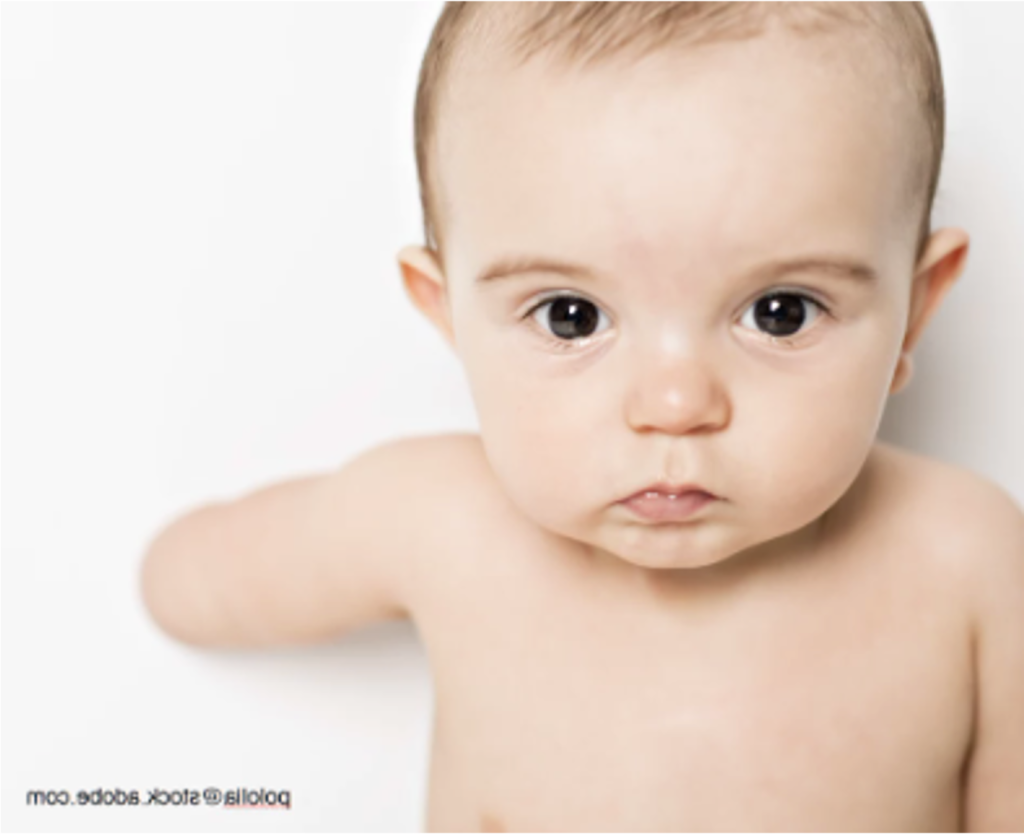
Babies and children with limb reduction defects will face various issues and difficulties, but the extent of these will depend on the location and size of the reduction. Some potential difficulties and problems include:
– Difficulties with normal development such as motor skills
– Needing assistance with daily activities such as self-care
– Limitations with certain movements, sports, or activities
– Potential emotional and social issues because of physical appearance
Specific treatment for limb reduction defects will be determined by the child’s doctor, based on things like the child’s age, the extent and type of defect, and the child’s tolerance for certain medications, procedures, and therapies.
The overall goal for treatment of limb reduction defects is to provide the child with a limb that has proper function and appearance. Treatment can vary for each child. Potential treatments include:
– Prosthetics (artificial limbs)
– Orthotics (splints or braces)
– Surgery
– Rehabilitation (physical or occupational therapy)
It is important to remember that some babies and children with limb reductions will have some difficulties and limitations throughout life, but with proper treatment and care they can live long, healthy, and productive lives.
There is no known way to prevent this type of defect, but some of the problems experienced later in life by a person born with a limb reduction defect can be prevented or screened if the defect is treated early.
Even so, mothers can take steps before and during pregnancy to have a healthy pregnancy. Steps include taking a daily multivitamin with folic acid (400 micrograms), not smoking, and not drinking alcohol during pregnancy.
2. Loss of Limbs through Accidents
Amputation occurs when any limb or piece of the body is severed.
An amputation can be partial or total.
There are two types of amputation: unintentional amputation arising out of a trauma to one or more limbs and intentional surgical amputation.
Unintentional amputations also called Traumatic Amputations is the Loss of Limbs through Accidents and can happen during some serious accidents, where a person’s body part may be literally torn off and this is classed as being an amputation caused by trauma.
Accidents which sometimes lead to this type of amputation include:
– Road Accidents and in particular, motorcycle accidents, cycle accidents and accidents involving pedestrians.
– Accidents at work, particularly those involving dangerous machinery.
– Severe injury (from a vehicle accident or serious burn, for example)
– Frostbite, caused by extreme cold
– Attack by people animals like Sharks, etc.
The tangible economic damages associated with amputation include medical bills, prosthetic limbs, physical therapy and rehabilitation, lost income, and lost earning capacity. An accident victim’s family members may also suffer certain damages in that they can no longer rely on a severely injured person to perform household chores or even perform basic tasks.
Workplace accidents in factories and manufacturing plants or road accidents can give rise to amputation injuries. Compensation is the only available remedy against an employer if you suffer a loss of limb at work. If an unintentional amputation is caused by someone else’s negligence outside the workplace, however, that person can be sued for compensatory damages. For example, a truck accident can result in the loss of a limb. So can a defectively designed product.
In a product liability case, the defendant also can be sued under theories of both strict liability and negligence. Table saw injuries, for example, may result in a loss of limb. The person using the table saw may amputate a finger or other body part. In some cases, the amputation could have been prevented if the product manufacturer had added a safety device to the product, such as flesh-detection technology. Failure to add safety devices to their saws at a feasible cost constitutes a design defect, sometimes allowing people who have lost limbs to recover damages from the manufacturer.
After amputation, they individual may experience significant phantom limb pain as well as debilitating psychological distress. A person who suffers an amputation often has to adjust to a whole new life and relearn basic skills, such as eating, using the bathroom, and walking. Advances in prosthetics can assist an individual to become mobile again.
3. Amputation
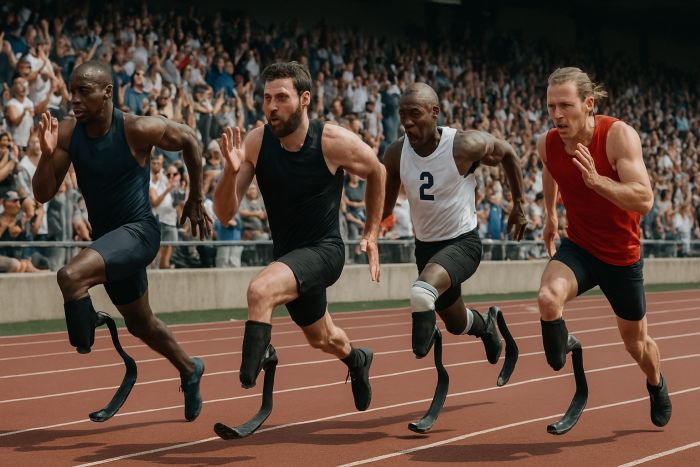
Amputation is the surgical removal of all or part of a limb such as an arm, leg, foot, hand, toe, or finger.
There are many reasons an amputation may be necessary.
The most common is poor circulation because of damage or narrowing of the arteries, called peripheral arterial disease.
Without adequate blood flow, the body’s cells cannot get oxygen and nutrients they need from the bloodstream. As a result, the affected tissue begins to die and infection may set in.
Other reasons for amputation may include:
– Cancerous tumor in the bone or muscle of the limb
– Serious infection that does not get better with antibiotics or other treatment
– Thickening of nerve tissue, called a Neuroma.
– Sugar Diabetes can cause blood sugar levels to stay high, the nerve cells swell and scar. After a while, the nerves can’t send messages to the legs and feet the way they should, this causes the skin to die.
– Pneumococcal Meningitis causes over 20% of its patients to die and 50% suffered from long term complications which include limb amputation. Meningitis can cause Sepsis, which usually begins as Patikia rash, which will gradually result in limb amputation or even death eventually.
– Frostbite
An amputation usually requires a hospital stay of five to 14 days or more, depending on the surgery & complications. The procedure itself may vary, depending on the limb or extremity being amputated and the patient’s general health.
Amputation may be done under general anesthesia (meaning the patient is asleep) or with spinal anesthesia, which numbs the body from the waist down.
When performing an amputation, the surgeon:
– removes all damaged tissue while leaving as much healthy tissue as possible, this includes removing the diseased tissue & any crushed bone,
– Then smoothes uneven areas of bone,
– Then seals off blood vessels and nerves
– Then cuts and shapes muscles so that the stump, or end of the limb, will be able to have an artificial limb (prosthesis) attached to it.
This procedure is done to help improve healing & eventual rehabilitation. In many cases a person can be rehabilitated to lead a normal life.
Disclaimers and References
DiSA is committed to promoting the rights, dignity, and inclusion of persons with disabilities as outlined in the White Paper on the Rights of Persons with Disabilities. We strive to ensure that all content on our website reflects appropriate, respectful, and inclusive language in alignment with these principles.
However, we also provide a platform for companies and organisations to advertise their services and products. While we encourage advertisers to adhere to correct terminology and inclusive practices, DiSA cannot guarantee the accuracy or appropriateness of the language used by external parties in their content.
Please note: Any views, language, or terminology used in advertisements, promotional material, or external links do not necessarily represent the views of DiSA.
DiSA disclaims any responsibility for inaccuracies or language that may not align with the White Paper or best practices for disability terminology.
Should you however encounter language or content that you believe is inappropriate or offensive, we encourage you to contact us at info@disa.org.za, so that we can address the issue.
DiSA remains dedicated to fostering a respectful and inclusive environment for all individuals. We appreciate your understanding and collaboration in supporting our mission.
While we strive for accuracy and clarity, AI-generated visuals may not always reflect real-life conditions or representations.
In addition, we feature authentic images and videos of actual instances, events, circumstances that have occurred, as well as products and services supplied by companies who advertise with us.
These authentic visuals are intended to accurately depict our content or the offerings of our advertising partners.
If you have any questions or concerns about the content displayed on this site, please feel free to contact us.
DiSA provides a platform for companies and organisations to advertise their products and services to assist persons with disabilities and their families. While we make every effort to list reputable and credible service providers, the inclusion of any company, organisation, product, or service on our website does not constitute an endorsement or guarantee by DiSA.
Please note the following: DiSA is not involved in the delivery, quality control, or customer service of any product or service offered by advertisers listed on our platform.
Any agreements, purchases, or arrangements made between users of this website and advertisers are solely between those parties. DiSA is not responsible for the outcome of such interactions.
DiSA disclaims any liability for dissatisfaction, damages, or disputes arising from products or services supplied by companies or organisations listed on our website.
We encourage users to thoroughly research and verify any service provider or product before engaging with them. If you have concerns or encounter issues with an advertiser listed on our platform, please let us know at: info@disa.org.za. We value your feedback to help maintain the integrity of our platform.
While we strive for accuracy and clarity, AI-generated visuals may not always reflect real-life conditions or representations.
In addition, we feature authentic images and videos of actual instances, events, circumstances that have occurred, as well as products and services supplied by companies who advertise with us.
These authentic visuals are intended to accurately depict our content or the offerings of our advertising partners.
If you have any questions or concerns about the content displayed on this site, please feel free to contact us.
DiSA is committed to providing accurate and up-to-date information to assist persons with disabilities and their families. However, the nature of online content and external resources means that information can change frequently.
Please note the following: DiSA cannot guarantee the accuracy, completeness, or reliability of all information on our website, particularly information obtained from external sources or links to third-party websites.
External websites may update or remove content without notice, which can result in broken links or outdated information. DiSA is not responsible for the content, accessibility, or functionality of external websites.
While we make every effort to keep our information current, some content may become outdated over time.
We encourage users to verify information directly with the relevant third parties or organisations before making any decisions based on the information found on our platform.
If you encounter a broken link or outdated content, please notify us at: info@disa.org.za and we will address it as soon as possible.
Thank you for understanding and helping us maintain a reliable and accessible platform.
While we strive for accuracy and clarity, AI-generated visuals may not always reflect real-life conditions or representations.
In addition, we feature authentic images and videos of actual instances, events, circumstances that have occurred, as well as products and services supplied by companies who advertise with us.
These authentic visuals are intended to accurately depict our content or the offerings of our advertising partners.
If you have any questions or concerns about the content displayed on this site, please feel free to contact us.
The Information services and website that we offer free of charge, is privately run and funded and is not run or funded by the government. We rely on advertising, paid services and donations to supply and improve this Free information service that we do provide.
The Companies, Clubs, Schools and Organisations that are listed on this site, have advertised or made donations to the Website and have therefore assisted us be able to provide this free Service.
Please support them as they have supported Us and please contact us via info@disa.org.za, if you can advertise with us or would like to make a donation. Alternatively, visit our “Support Us” page to find out how you can support us or acquire our services. – Thank You.
If you encounter a broken link or outdated content, please notify us at: info@disa.org.za and we will address it as soon as possible.
Thank you for understanding and helping us maintain a reliable and accessible platform.
Please Note: We do assist with inquiries via email but may need to send or copy your details and inquiry to various other organisations, companies or government departments, that we sometimes consult, so that we can help you in the best way possible.
If you have any objection to us sharing your query or contact details, please notify us in your email. We will only share your information to assist you and will never sell or use your personal information for any other purposes.
DiSA waivers any liability for what happens if information is shared or used for marketing or other purposes by other organisations who do have consent to view such information.
While we strive for accuracy and clarity, AI-generated visuals may not always reflect real-life conditions or representations.
In addition, we feature authentic images and videos of actual instances, events, circumstances that have occurred, as well as products and services supplied by companies who advertise with us.
These authentic visuals are intended to accurately depict our content or the offerings of our advertising partners.
If you have any questions or concerns about the content displayed on this site, please feel free to contact us.
Please note that this website uses images and videos that are AI-generated and created to visually represent certain information, concepts or scenarios for illustrative purposes.
While we strive for accuracy and clarity, AI-generated visuals may not always reflect real-life conditions or representations.
In addition, we feature authentic images and videos of actual instances, events, circumstances that have occurred, as well as products and services supplied by companies who advertise with us.
These authentic visuals are intended to accurately depict our content or the offerings of our advertising partners.
If you have any questions or concerns about the content displayed on this site, please feel free to contact us.
Disability Info South Africa (DiSA) is committed to protecting your personal information in compliance with the Protection of Personal Information Act (POPIA), Act No. 4 of 2013. By using our free information service, you acknowledge and agree to the following:
Collection of Personal Information:
DiSA may collect and process your personal information (such as name, contact details, and inquiries) solely for the purpose of assisting you with your requests and providing relevant information or support.
Use and Storage:
Your personal information will only be used for the purpose it was collected for, we may need to send or copy your details and inquiry to various organisations, companies or government departments, that we sometimes consult, so that we can assist you in the best way possible.
If you have any objection to us sharing your query or contact details, please notify us in your email. We will only share your information to assist you and will never sell or use your personal information for any other purposes.
DiSA implements appropriate measures to secure your personal information against unauthorized access or loss.
Consent:
By submitting your details through our Contact Form, or contacting us via our email address, you consent to allow DiSA to process your information as outlined in this disclaimer. If you are not comfortable with DiSA sharing your information for the above purposes, please contact us directly at info@disa.org.za.
Access and Updates:
You have the right to request the deletion of your personal information at any time.
To do so, please contact us at: info@disa.org.za.
Third-Party Websites:
DiSA is not responsible for the privacy practices of external websites linked on our platform. Users are encouraged to review the privacy policies of third-party sites before sharing personal information.
For any queries or concerns regarding the handling of your personal information, please contact us at: info@disa.org.za.
Thank you for trusting DiSA to support you with accessible, inclusive, and reliable information.