


Polio
Polio, or poliomyelitis, is a highly infectious viral disease that primarily affects young children. Caused by the poliovirus, it spreads through contaminated water or food and can invade the nervous system, potentially leading to paralysis or even death.
While most infections result in mild or no symptoms, severe cases can cause permanent disability.
In up to 70% of infections there are no symptoms. And those affected are usually back to normal within one or two weeks.
Years after recovery post-polio syndrome may occur, with a slow development of muscle weakness similar to that which the person had during the initial infection.
Thanks to global vaccination efforts, polio has been nearly eradicated worldwide, but continued vigilance is essential.
What Are You Looking For?
Polio
Signs and Symptoms
Causes
Pathophysiology
Types
Diagnosis
Prevention
Treatment
Prognosis
The term “poliomyelitis” is used to identify the disease caused by any of the three serotypes of poliovirus. Two basic patterns of polio infection are described:
– a minor illness which does not involve the central nervous system (CNS), sometimes called abortive poliomyelitis
– a major illness involving the CNS, which may be paralytic or non-paralytic.
In most people with a normal immune system, a poliovirus infection is asymptomatic.
Rarely, the infection produces influenza-like symptoms, including: upper respiratory tract infection (sore throat and fever); gastrointestinal disturbances (nausea, vomiting); abdominal pain and constipation.
Poliomyelitis is caused by infection with a member of the genus Enterovirus known as poliovirus (PV). This group of RNA viruses colonize the gastrointestinal tract , specifically the oropharynx and the intestine.
The incubation time (to the first signs and symptoms) ranges from three to 35 days, with a more common span of six to 20 days.
PV infects and causes disease in humans alone. Its structure is very simple, composed of a single (+) sense RNA genome enclosed in a protein shell called a capsid. In addition to protecting the virus’s genetic material, the capsid proteins enable poliovirus to infect certain types of cells. T
hree serotypes of poliovirus have been identified—poliovirus type 1 (PV1), type 2 (PV2), and type 3 (PV3), each with a slightly different capsid protein.
All three are extremely virulent and produce the same disease symptoms.
PV1 is the most commonly encountered form, and the one most closely associated with paralysis.
A rare condition with a similar presentation, nonpoliovirus poliomyelitis, may result from infections with nonpoliovirus enteroviruses.
Poliomyelitis is highly contagious via the fecal-oral (intestinal source) and the oral-oral (oropharyngeal source) routes. In endemic areas, wild polioviruses can infect virtually the entire human population. It is seasonal in temperate climates, with peak transmission occurring in summer and autumn. These seasonal differences are far less pronounced in tropical areas.
The time between first exposure and first symptoms, known as the incubation period, is usually 6 to 20 days, with a maximum range of three to 35 days.
Virus particles are excreted in the feces for several weeks following initial infection. The disease is transmitted primarily via the fecal-oral route, by ingesting contaminated food or water. It is occasionally transmitted via the oral-oral route, a mode especially visible in areas with good sanitation and hygiene. Polio is most infectious between seven and 10 days before and after the appearance of symptoms, but transmission is possible as long as the virus remains in the saliva or feces.
Poliovirus enters the body through the mouth, infecting the first cells with which it comes in contact the pharynx and intestinal mucosa. It gains entry by binding to an immunoglobulin-like receptor, known as the poliovirus receptor or CD155, on the cell membrane. The virus then hijacks the host cell’s own machinery, and begins to replicate.
Known as viremia, the presence of virus in the bloodstream enables it to be widely distributed throughout the body. Poliovirus can survive and multiply within the blood and lymphatics for long periods of time, sometimes as long as 17 weeks. In a small percentage of cases, it can spread and replicate in other sites, such as brown fat, the reticuloendothelial tissues, and muscle.
This sustained replication causes a major viremia, and leads to the development of minor influenza-like symptoms. Rarely, this may progress and the virus may invade the central nervous system, provoking a local inflammatory response. In most cases, this causes a self-limiting inflammation of the meninges, the layers of tissue surrounding the brain, which is known as nonparalytic aseptic meningitis. Penetration of the CNS provides no known benefit to the virus, and is quite possibly an incidental deviation of a normal gastrointestinal infection. The mechanisms by which poliovirus spreads to the CNS are poorly understood, but it appears to be primarily a chance event, largely independent of the age, gender, or socioeconomic position of the individual.
i. Paralytic polio
Denervation of skeletal muscle tissue secondary to poliovirus infection can lead to paralysis.
In around 1% of infections, poliovirus spreads along certain nerve fiber pathways, preferentially replicating in and destroying motor neurons within the spinal cord, brain stem, or motor cortex. This leads to the development of paralytic poliomyelitis, the various forms of which (spinal, bulbar, and bulbospinal) vary only with the amount of neuronal damage and inflammation that occurs, and the region of the CNS affected.
The destruction of neuronal cells produces lesions within the spinal ganglia; these may also occur in the reticular formation, vestibular nuclei, cerebellar vermis, and deep cerebellar nuclei. Inflammation associated with nerve cell destruction often alters the color and appearance of the gray matter in the spinal column, causing it to appear reddish and swollen. Other destructive changes associated with paralytic disease occur in the forebrain region, specifically the hypothalamus and thalamus. The molecular mechanisms by which poliovirus causes paralytic disease are poorly understood.
ii. Spinal polio
Spinal polio, the most common form of paralytic poliomyelitis, results from viral invasion of the motor neurons of the anterior horn cells, or the ventral (front) grey matter section in the spinal column, which are responsible for movement of the muscles, including those of the trunk, limbs, and the intercostal muscles.
Virus invasion causes inflammation of the nerve cells, leading to damage or destruction of motor neuron ganglia. When spinal neurons die, Wallerian degeneration takes place, leading to weakness of those muscles formerly innervated by the now-dead neurons. With the destruction of nerve cells, the muscles no longer receive signals from the brain or spinal cord; without nerve stimulation, the muscles atrophy, becoming weak, floppy and poorly controlled, and finally completely paralyzed. Maximum paralysis progresses rapidly (two to four days), and usually involves fever and muscle pain. Deep tendon reflexes are also affected, and are typically absent or diminished; sensation (the ability to feel) in the paralyzed limbs, however, is not affected.
iii. Bulbar Polio
Making up about 2% of cases of paralytic polio, bulbar polio occurs when poliovirus invades and destroys nerves within the bulbar region of the brain stem.
The bulbar region is a white matter pathway that connects the cerebral cortex to the brain stem. The destruction of these nerves weakens the muscles supplied by the cranial nerves, producing symptoms of encephalitis, and causes difficulty breathing, speaking and swallowing. Critical nerves affected are the glossopharyngeal nerve (which partially controls swallowing and functions in the throat, tongue movement, and taste), the vagus nerve (which sends signals to the heart, intestines, and lungs), and the accessory nerve (which controls upper neck movement).
Due to the effect on swallowing, secretions of mucus may build up in the airway, causing suffocation.
iv. Bulbospinal Polio
Approximately 19% of all paralytic polio cases have both bulbar and spinal symptoms; this subtype is called respiratory or bulbospinal polio. Here, the virus affects the upper part of the cervical spinal cord (cervical vertebrae C3 through C5), and paralysis of the diaphragm occurs.
The critical nerves affected are the phrenic nerve (which drives the diaphragm to inflate the lungs) and those that drive the muscles needed for swallowing.
By destroying these nerves, this form of polio affects breathing, making it difficult or impossible for the patient to breathe without the support of a ventilator. It can lead to paralysis of the arms and legs and may also affect swallowing and heart functions.
Paralytic poliomyelitis may be clinically suspected in individuals experiencing acute onset of flaccid paralysis in one or more limbs with decreased or absent tendon reflexes in the affected limbs that cannot be attributed to another apparent cause, and without sensory or cognitive loss.
A laboratory diagnosis is usually made based on recovery of poliovirus from a stool sample or a swab of the pharynx.
Antibodies to poliovirus can be diagnostic, and are generally detected in the blood of infected patients early in the course of infection.
Analysis of the patient’s cerebrospinal fluid (CSF), which is collected by a lumbar puncture (“spinal tap”), reveals an increased number of white blood cells (primarily lymphocytes) and a mildly elevated protein level
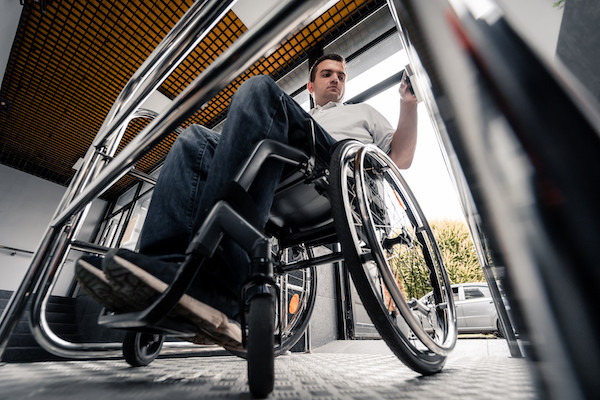
There is no cure for polio.
The focus of modern treatment has been on either preventing the transmission of the disease – or providing relief of symptoms, speeding recovery and preventing complications.
In terms of preventative measures, two types of vaccine are used throughout the world to combat polio. Both types induce immunity to polio, efficiently blocking person-to-person transmission of wild poliovirus, thereby protecting both individual vaccine recipients and the wider community (so-called herd immunity).
The recovery forecast for polio is dependant on the strand.
Patients with abortive polio infections recover completely.
In those who develop only aseptic meningitis, the symptoms can be expected to persist for two to ten days, followed by complete recovery.
In cases of spinal polio, if the affected nerve cells are completely destroyed, paralysis will be permanent. Where cells are not destroyed, but lose function temporarily, may recover within four to six weeks after onset. Half the patients with spinal polio recover fully; one-quarter recover with mild disability, and the remaining quarter are left with severe disability. The degree of both acute paralysis and residual paralysis is likely to be proportional to the degree of viremia, and inversely proportional to the degree of immunity. Spinal polio is rarely fatal
Many cases of poliomyelitis result in only temporary paralysis. Nerve impulses return to the formerly paralyzed muscle within a month, and recovery is usually complete in six to eight months.
The neurophysiological processes involved in recovery following acute paralytic poliomyelitis are quite effective; muscles are able to retain normal strength even if half the original motor neurons have been lost. Paralysis remaining after one year is likely to be permanent, although modest recoveries of muscle strength are possible 12 to 18 months after infection.
One mechanism involved in recovery is nerve terminal sprouting, in which remaining brainstem and spinal cord motor neurons develop new branches, or axonal sprouts. These sprouts can reinnervate orphaned muscle fibers that have been denervated by acute polio infection, restoring the fibers’ capacity to contract and improving strength. Terminal sprouting may generate a few significantly enlarged motor neurons doing work previously performed by as many as four or five units: a single motor neuron that once controlled 200 muscle cells might control 800 to 1000 cells.
The body possesses a number of compensatory mechanisms to maintain function in the presence of residual paralysis. These include the use of weaker muscles at a higher than usual intensity relative to the muscle’s maximal capacity, enhancing athletic development of previously little-used muscles, and using ligaments for stability, which enables greater mobility.